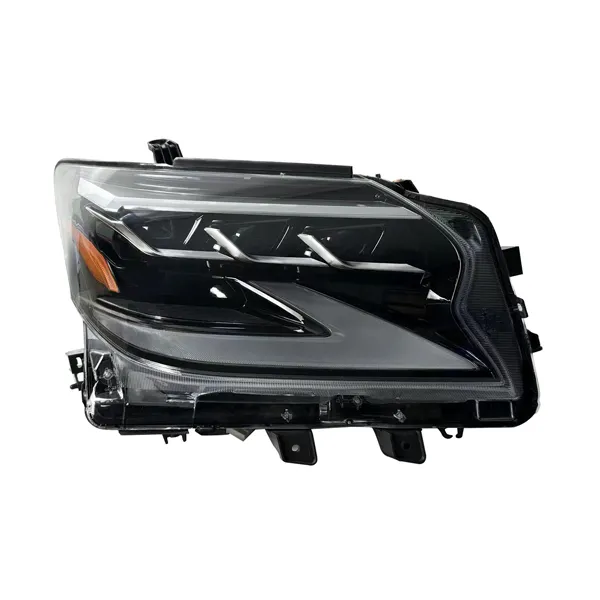
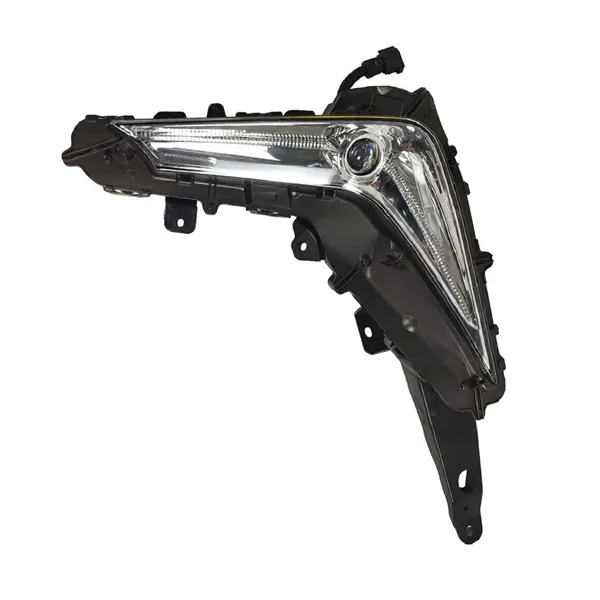
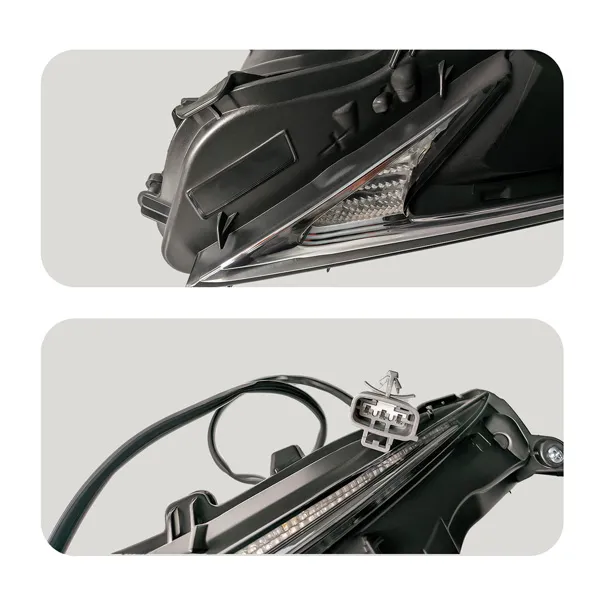
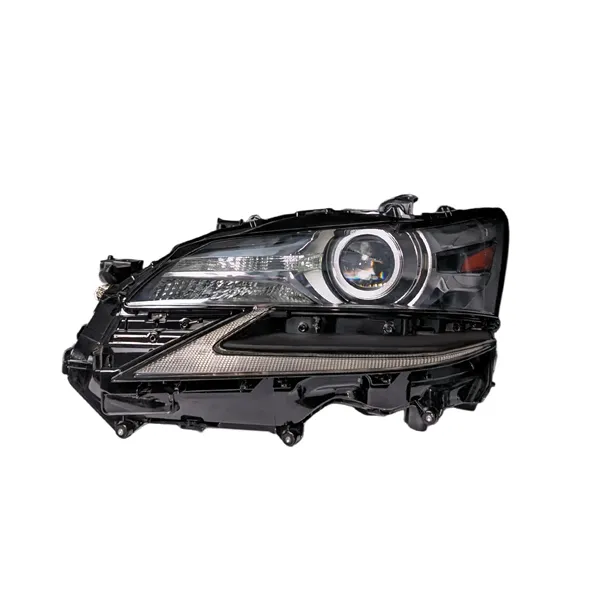
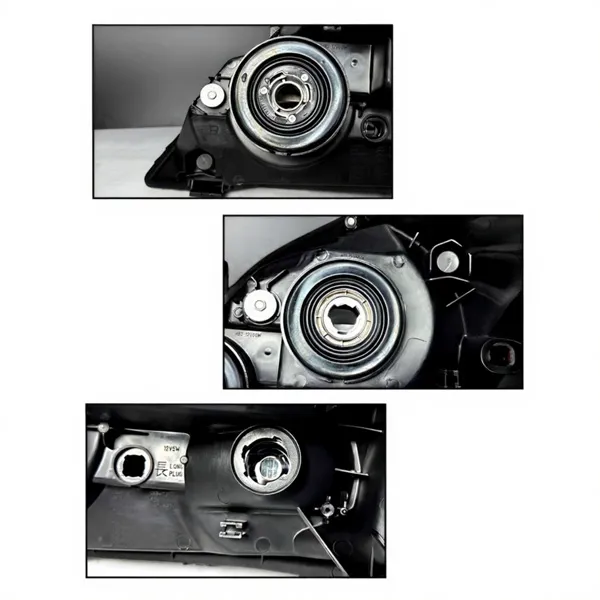
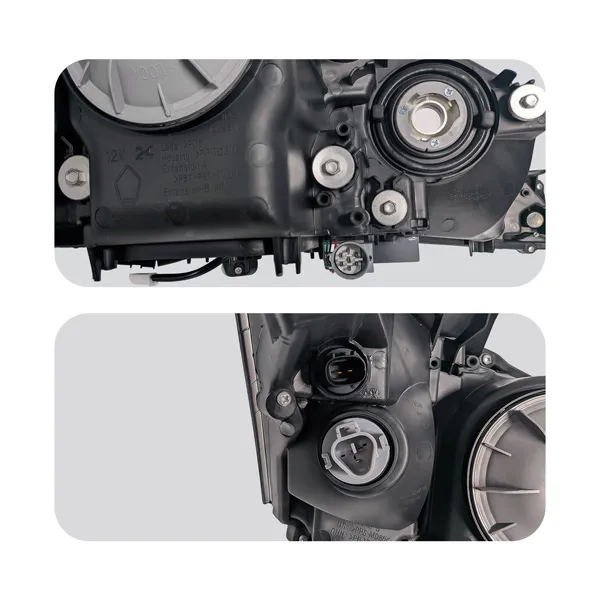
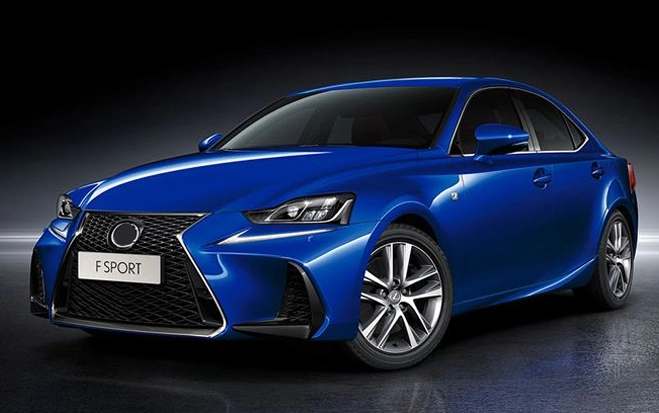
Modern vehicles are more sensitive than ever to lighting upgrades. CANBUS monitoring, PWM dimming, and tight voltage windows cause flicker, dashboard errors, or premature failures when incompatible bulbs are installed. For buyers sourcing automotive LED lights, the real premium is not just brightness — it is stable electronics, correct fitment, and error-free compatibility. This guide provides a technical checklist using the Lexus CT headlight segment as a practical example of compatibility-driven sourcing.
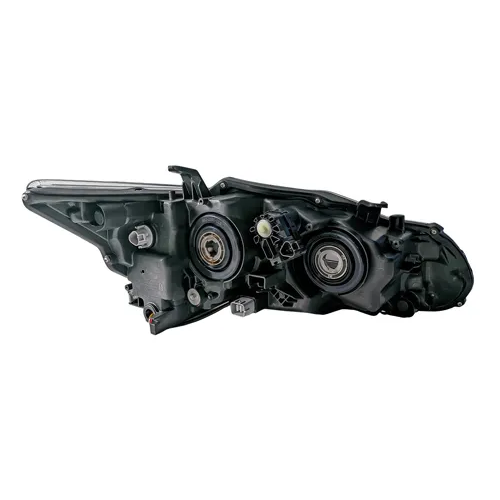
Lexus CT Headlight Compatibility: Why Flicker and Bulb-Out Errors Happen
The Root Causes of LED Incompatibility
When a driver installs a new LED bulb and immediately sees a dashboard warning or experiences flicker, the cause is almost always electrical — not a faulty bulb in the traditional sense.
| Incompatibility Source | What Happens | Visible Symptom |
|---|
| PWM dimming signal | Vehicle controls brightness by rapidly switching power on and off; some LED drivers cannot smooth this | Visible flicker at certain conditions |
| CANBUS load detection | ECU monitors current draw; LED draws less than the halogen it replaces, so the system reads it as a failed bulb | "Bulb out" warning on the dashboard |
| Voltage fluctuation at startup | Voltage spikes during engine crank can destabilize poorly designed LED drivers | Momentary flicker or non-start |
| Inrush current mismatch | Some ECUs detect the startup current profile and compare it to expected halogen behavior | Error code triggered at ignition |
What Error-Free Actually Means
"Error-free" means the LED bulb presents electrical behavior — load, current profile, and response to PWM — that the vehicle ECU interprets as normal halogen operation. The ECU never detects an anomaly and never triggers a warning.
A bulb labeled "CANBUS-compatible" or "error-free" should be validated on the specific vehicle platform and model year before stocking for resale. The 2011–2017 Lexus CT200h has specific CANBUS characteristics — what works on a 2012 may behave differently on a 2016 due to ECU software revisions.
Automotive LED Lights Anti-Flicker Technology: Drivers, Capacitors, and CANBUS Solutions
The Electronics That Separate Premium from Budget
| Component | Function | What Failure Looks Like |
|---|
| Constant-current driver | Maintains stable LED current regardless of voltage fluctuation | Flicker under voltage variation; early LED degradation |
| Anti-flicker capacitor | Smooths PWM dimming signal; fills in the "off" phase of the PWM cycle | Visible strobe effect at idle or during DRL operation |
| Integrated load resistor | Adds electrical load to match halogen draw seen by ECU | CANBUS warning persists without it in sensitive vehicles |
| Thermal cutback circuit | Reduces LED current when temperature rises above threshold | Without it: LED failure from sustained over-temperature |
| Reverse polarity protection | Prevents damage from incorrect installation | Without it: immediate failure on incorrect pin orientation |
Why CANBUS-Ready Claims Need Verification
The phrase "CANBUS-ready" has become marketing language with no standardized meaning. Different vehicle platforms implement CANBUS load monitoring differently — some check current draw, some check voltage signature, some check timing of current response at startup.
Before listing a product as compatible with a specific vehicle, test it on the actual vehicle under real operating conditions:
Cold start: check for errors during the first 30 seconds after ignition
Idle and DRL mode: check for flicker visible to the naked eye and captured on a phone camera (phones capture flicker that eyes miss)
High-low beam switching: confirm no error triggered by the switching transient
Long operation: confirm no thermal-related errors after 30 minutes of operation
Lexus CT Headlight Upgrade Specs: Beam Pattern, Color Temperature, and Road Safety
Why Beam Pattern Is the Safety Critical Factor
A LED bulb that is significantly brighter than the halogen it replaces but produces an unfocused, scattered beam is a safety hazard — it blinds oncoming drivers without illuminating the road effectively.
| Beam Quality Factor | What to Check | Why It Matters |
|---|
| LED chip position | Must align with the focal point of the reflector or projector housing | Misalignment causes glare and reduces useful road illumination |
| Hot spot formation | White spot in the beam pattern from incorrect chip placement | Reduces visibility in the intended road zone |
| Cut-off line definition (projector housing) | Sharp line separating illuminated road from non-illuminated zone | Above-line illumination blinds oncoming drivers |
| Scatter light | Light distributed outside the main beam | Adds glare without adding road illumination |
Color Temperature Guidance
For automotive head lights, the common range is 5000K to 6500K for LED upgrades. The practical visibility considerations:
5000K–5500K: closest to daylight; strong contrast on road markings and hazards; most broadly compatible with human vision in varied conditions
6000K–6500K: visually striking; popular for styling; slightly more glare in fog or rain
Above 6500K: blue-tinted; reduces contrast in adverse conditions; not recommended for primary road illumination
Automotive LED Lights Reliability: Thermal Management and Environmental Durability
The Most Common Failure Modes
| Failure Mode | Root Cause | Time to Failure |
|---|
| LED dimming and color shift | Sustained over-temperature degrading LED phosphor | 6–18 months |
| Complete failure | Driver IC failure from thermal stress | 3–12 months |
| Condensation ingress | Inadequate sealing at bulb base cap interface | 1–6 months in wet climates |
| Fan failure (fan-cooled designs) | Fan motor failure; debris ingress | 12–24 months depending on environment |
| Connector corrosion | Unsealed connector in moist engine bay | 12–36 months |
What Premium Designs Include
Heat path engineering: direct thermal connection from LED junction to heat sink — no thermal interface gaps
Fanless designs where possible: passive heat dissipation eliminates the fan as a failure point; practical for lower-power applications
IP67 or equivalent sealing: protects electronics from splash, condensation, and humidity
Quality LED binning: consistent forward voltage and lumen output across units in the same production lot
Vibration resistance: confirmed for engine bay vibration profile over a representative service period
Environmental Considerations for CT200h Installation
The Lexus CT200h engine bay is compact. The headlight housing space behind the bulb cap is limited — verify physical clearance for any heat sink design before stocking. Bulbs with large fan-cooled heat sinks may not fit without removing the cap permanently, creating a sealing problem.
Lexus CT Headlight Purchasing Checklist: How to Source Premium Bulbs with Low Returns
Pre-Order Verification Checklist
| Item | What to Confirm | Why It Matters |
|---|
| Vehicle year range | 2011–2017 CT200h specifics | Connector and CANBUS system differ across years |
| Bulb base type | H11, HB3, HB4, or other — confirm per position | Wrong base means non-fit; immediate return |
| Housing type | Reflector or projector per position | Determines acceptable beam chip placement |
| Physical clearance | Measure space behind bulb cap in the housing | Fan or heat sink may not fit in the available space |
| LHD/RHD | Beam pattern designation | Critical for projector housing cutoff line orientation |
Supplier Quality Signals
Test reports: actual vehicle test data, not just bench measurement claims
Warranty terms: defined period, clear DOA process, efficient replacement
Burn-in or QC process: confirm each lot is tested before shipping
Consistent batch labeling: lot number traceable on the package; supports any claim investigation
Installation documentation: vehicle-specific installation and aiming guide
Reducing Returns at the Point of Sale
The most common returns for LED bulb upgrades are preventable with better pre-sale communication:
Publish a compatibility list by exact model year and trim
Include clear installation steps with photographs for the specific vehicle
Include aiming guidance — a bright LED in a mis-aimed housing is more dangerous than the halogen it replaced
Provide a flicker and error troubleshooting guide for the most common edge cases on the platform
Conclusion
Premium automotive LED lights earn their price through stability — no flicker, no dashboard warnings, and consistent road-safe output over a realistic service life. By focusing on electronics compatibility, beam pattern control, and thermal reliability, buyers and sellers can reduce returns and protect the reputation of their product line. For model-specific applications like the Lexus CT headlight, validating on the exact vehicle years and housing types is the fastest path to an error-free upgrade experience.
FAQ
Q1: What causes LED headlight bulb flicker in modern cars?
The most common causes are PWM dimming signals from the vehicle's lighting control module that the LED driver cannot smooth effectively, CANBUS load detection triggering a warning because the LED draws less current than the original halogen, and voltage fluctuations during engine start that destabilize poorly designed constant-current drivers.
Q2: What does error-free mean for automotive LED lights?
Error-free means the LED bulb presents electrical behavior — current draw, load profile, and PWM response — that the vehicle's ECU interprets as normal halogen operation. The monitoring system detects no anomaly and no dashboard warning is triggered. Achieving this requires the correct combination of driver design, load management, and sometimes an integrated CANBUS decoder circuit.
Q3: Do Lexus CT headlight upgrades always need load resistors?
It depends on the specific model year and which lighting circuit is being upgraded. Some CT200h configurations work without additional load management if the LED driver has an integrated CANBUS solution. Others require a separate load resistor or decoder. The only reliable way to confirm is to test on the specific vehicle year and position before recommending the product.
Q4: Why do some LED bulbs fail quickly despite being very bright?
Brightness requires high LED power, which generates heat. Bulbs that are designed primarily to achieve impressive lumen numbers at the cost of thermal engineering run the LED junction above its rated temperature, accelerating phosphor degradation and driver failure. A bright bulb with poor heat management will fail significantly faster than a moderately bright bulb with proper thermal design.
Q5: How can sellers reduce returns when offering premium LED bulbs?
Publish a clear vehicle compatibility list by exact model year and bulb position. Include installation instructions with photographs specific to the target vehicle. Provide aiming guidance to ensure safe beam placement. Include a simple troubleshooting guide for the most common error and flicker scenarios on the platform. These steps address the majority of return triggers before the customer installs the product.
 English