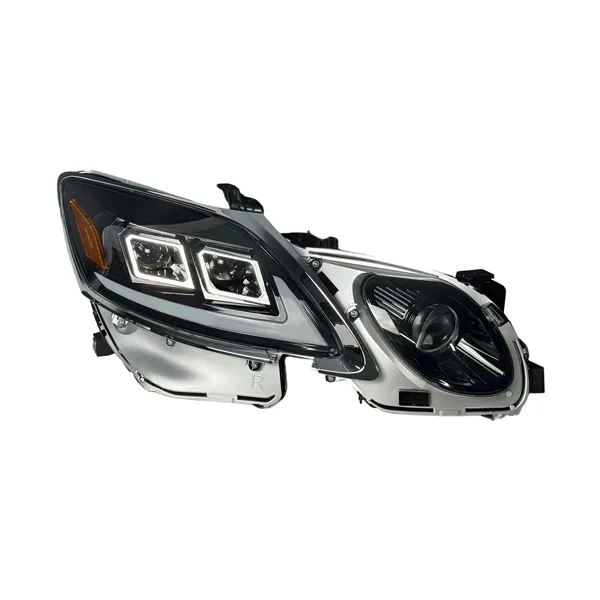
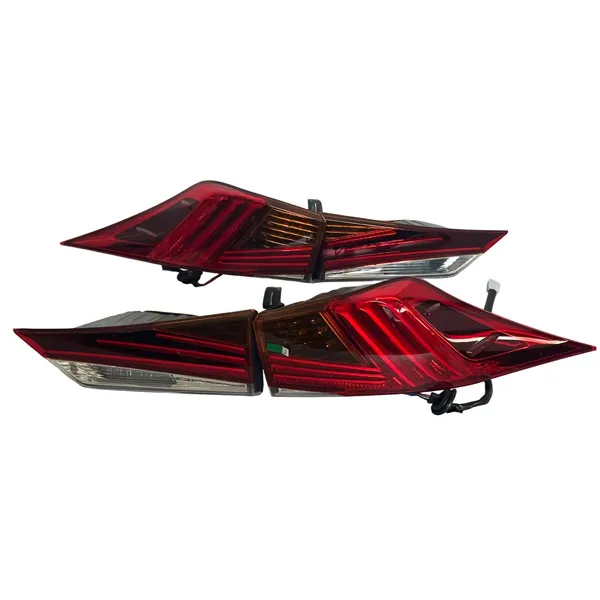
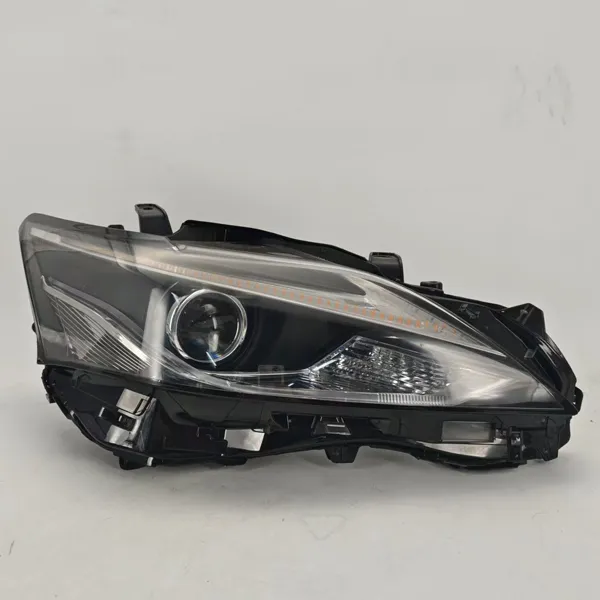
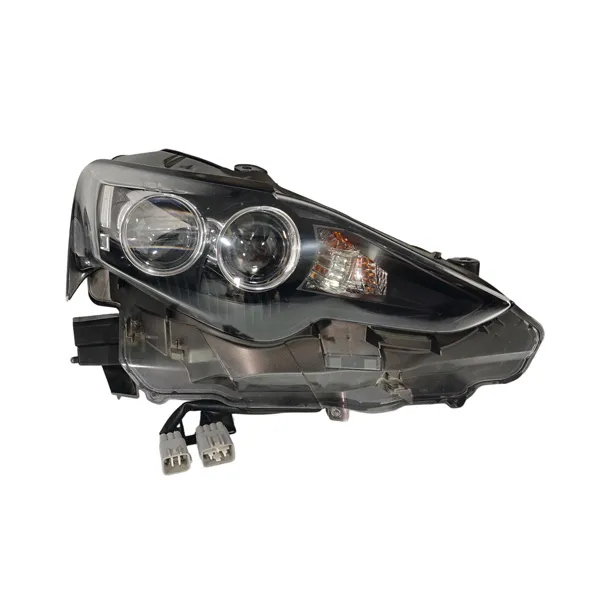
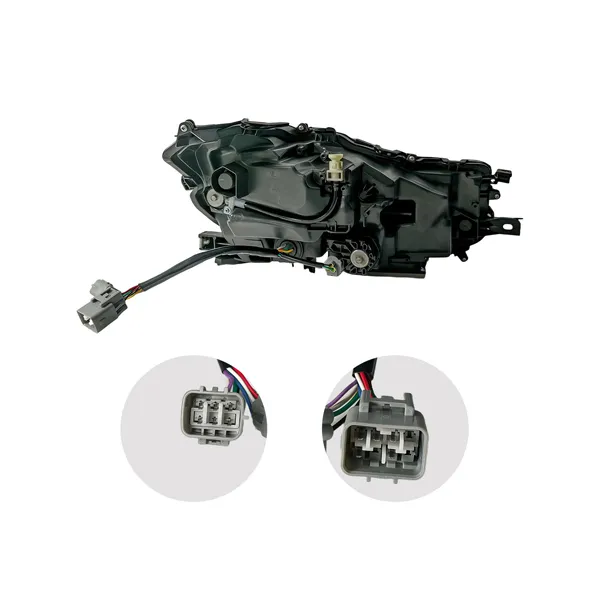
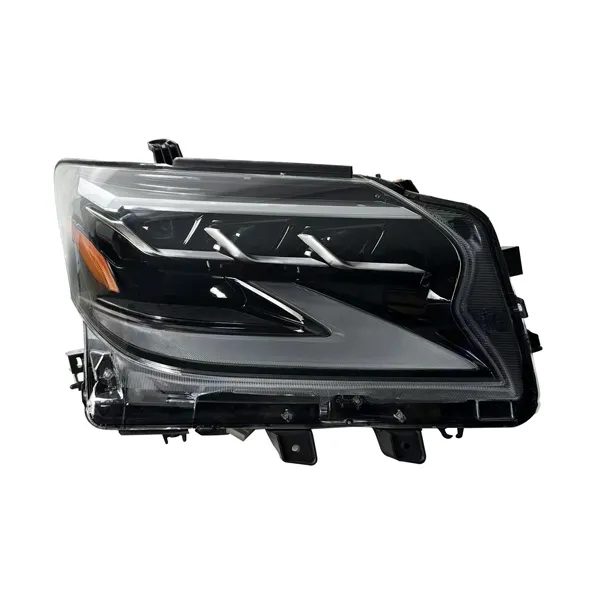
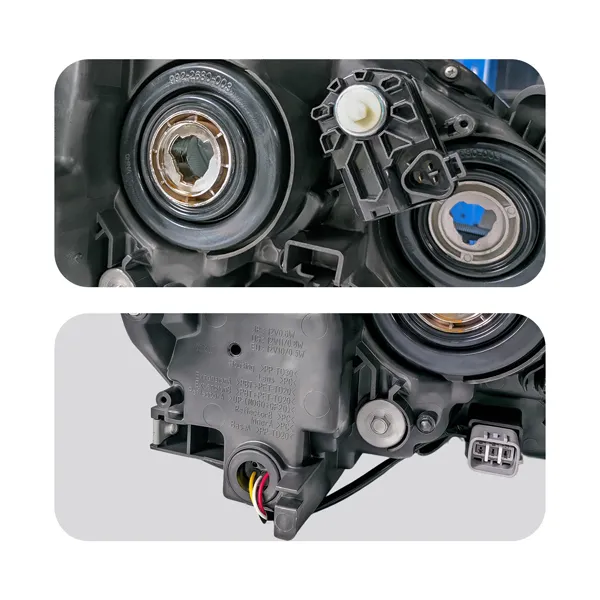
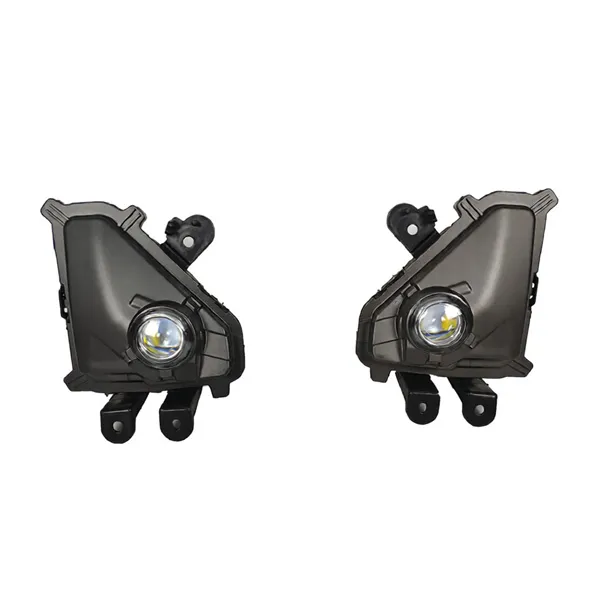
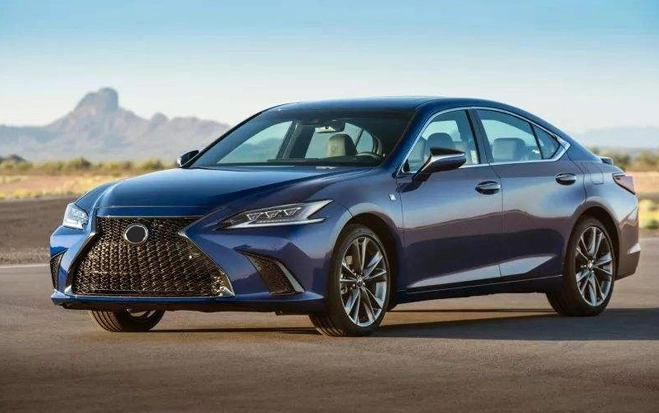
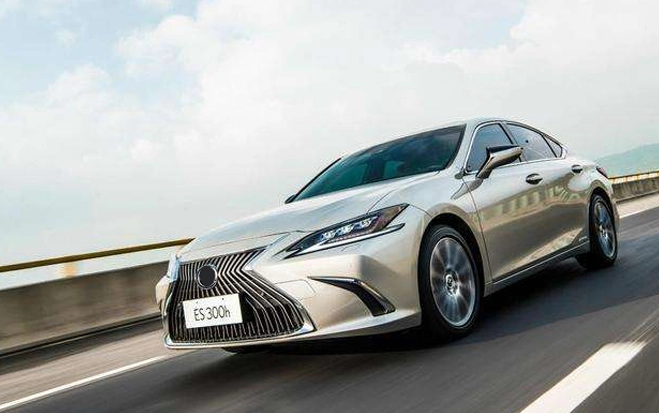
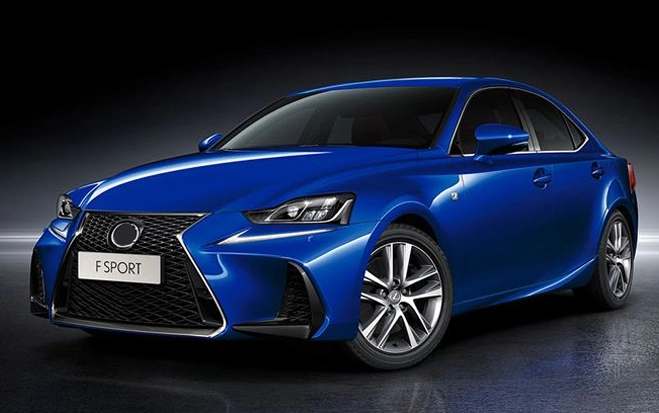
In 2026, the aftermarket category for head lights continues to grow as drivers seek better visibility, modern styling, and cost-effective replacements compared with OEM pricing. For distributors, installers, and e-commerce sellers, margin success depends on model-specific assemblies that fit correctly, perform reliably, and reduce return rates. This guide explains the demand drivers and uses 2021 Lexus GX 460 headlights as a practical example of how premium SUV lighting upgrades can become a high-margin product line.
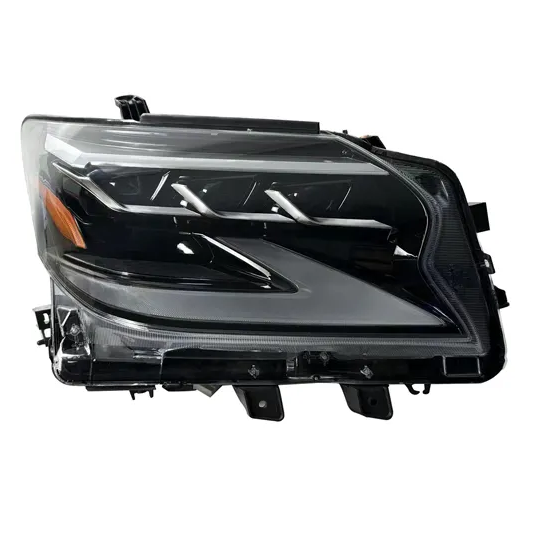
2021 Lexus GX 460 Headlights Market: Why Premium SUV Owners Buy Aftermarket
What Drives Replacement and Upgrade Demand
The 2020–2024 Lexus GX460 generation occupies a high-value position in the aftermarket: owners are committed to the vehicle, parts prices are significant at the OEM level, and the platform stays in service for many years. This combination consistently produces aftermarket demand.
| Demand Driver | Customer Motivation | Seller Opportunity |
|---|
| Collision damage | Insurance or self-pay repair requiring like-for-like replacement | Volume through installer and body shop channel |
| Lens cracking or seal failure | Water ingress; condensation visible inside the housing | Complete assembly replacement preferred over repair |
| Lighting performance upgrade | Standard halogen-class output insufficient for owner's use | Premium LED upgrade sale at higher price point |
| Styling refresh | DRL signature update; modern projector aesthetic | Design-driven upgrade; owner may still have a functional stock unit |
| OEM part cost | Dealer pricing for replacement is high | Aftermarket assembly at significant cost saving with quality parity |
Why Premium SUV Segments Convert at Higher Margins
GX460 owners typically have higher automotive spend. They research before buying, care about quality, and will pay more for a product that looks and performs like OEM — or better. This makes the segment well-suited to premium-tier aftermarket head lights priced above the commodity level.
Head Lights Profit Drivers: Features That Justify Higher Prices and Fewer Returns
The Features That Support Premium Pricing
| Feature | Customer Benefit | Margin Impact |
|---|
| Sharp beam cutoff with controlled spread | Improved road illumination; passes compliance check | Justifies premium over basic replacement |
| LED DRL with modern signature | Visual identity matching or exceeding OEM appearance | Style-driven buyers pay more; positive reviews drive conversion |
| Plug-and-play harness connector | No splicing; correct signal communication with vehicle CAN | Reduces installation errors; directly reduces returns |
| Consistent color temperature across units | Both headlights match; no visual asymmetry | Eliminates a common complaint in multi-unit orders |
| Complete hardware package | Mounting bolts, adjustment hardware, installation guide | Reduces abandonment and support contacts |
Merchandising That Converts
Head lights are a visual category. The most effective product content includes:
Night photography showing the vehicle with upgraded head lights powered on — DRL and low beam
Beam pattern photograph on a flat wall showing the cutoff line clarity at a defined distance
Side-by-side comparison with the stock unit showing the visual upgrade
Short installation video for the target vehicle model
Sellers who invest in this content typically see conversion rates 20–40% higher than listings with standard product-only photography.
2021 Lexus GX 460 Headlights Quality Checklist: Fitment, Electronics, and Safety
Fitment Quality Standards
Poor fitment is the primary cause of returns in the head lights category. Every fitment checkpoint must be validated before the product enters inventory.
| Fitment Checkpoint | What to Verify | Failure Mode If Wrong |
|---|
| Mounting bracket geometry | All OEM bolt positions and torque surfaces match the factory location | Cannot mount without modification; immediate return |
| Body gap and alignment | Assembly sits flush and aligned with adjacent hood, fender, and bumper | Visible gap; wind noise; water ingress risk |
| Connector type and pinout | Matches the factory harness for the specific model year without adapter | Electrical non-function; CAN error codes |
| Housing depth and clearance | Fits within the engine bay clearance zone without contact | Interference with cooling or other components |
| Adjustment hardware | OEM-compatible vertical and horizontal aiming adjustment | Cannot aim correctly; failing safety inspection |
Electronics and Road Safety Considerations
For LED head lights on a vehicle with CAN bus communications:
LED driver module: stable constant-current output with anti-flicker circuit matched to the vehicle's load sensing
Error-free operation: no DTC (diagnostic trouble codes) triggered on the target vehicle ECU
LHD/RHD designation: asymmetric low-beam cutoff must match traffic direction of the target market — confirm at order stage
Aiming guidance: installation instructions must include vertical aim procedure specific to the vehicle
Head Lights Reliability Engineering: Thermal Management and Waterproofing
Why Aftermarket Head Lights Fail Early
The quality spread in the aftermarket head lights category is significant. Products at the lower end fail within months for predictable engineering reasons:
| Failure Mode | Root Cause | Business Impact |
|---|
| Condensation inside housing | Inadequate sealing; no thermal venting for pressure cycling | Return; negative review; warranty cost |
| LED or driver failure | Insufficient heat dissipation; low-quality driver component | Return within warranty period; margin loss |
| Flickering or CAN error | Driver instability or load mismatch with vehicle system | Immediate return; compatibility complaint |
| Lens delamination or yellowing | Inadequate UV-stable coating on polycarbonate lens | Complaint at 18–24 months; reputation damage |
| Connector corrosion | Unsealed or low-quality connector materials | Intermittent failure; difficult to diagnose; negative review |
What to Verify Before Stocking
Sealing: confirm IP67 or equivalent for the assembly housing and connector interface
Thermal management: aluminum heat sink integrated into the LED module; thermal resistance tested at rated power
Anti-fog venting: sealed housing must have a pressure-equalizing membrane or vent to prevent condensation from thermal cycling
Lens coating: UV-stabilized hard coat on polycarbonate lens verified for outdoor service life
Vibration resistance: confirmed for on-vehicle vibration profile across the model's normal service life
QC and Warranty Strategy
Burn-in test: operate assemblies at rated power for a defined period before shipping to surface early driver failures
Lot sampling: incoming QC on every production batch before adding to inventory; pixel and brightness check
Serial or batch number tracking: every shipped unit traceable to a production lot for claim investigation
Warranty terms: defined period, clear DOA process, and efficient replacement to protect customer relationships
2021 Lexus GX 460 Headlights Sales Strategy: Inventory, Bundles, and Channels
SKU Planning for Maximum Turn
| SKU Priority | Notes |
|---|
| 2020–2024 GX460 left and right assemblies | The highest-velocity period for this generation; stock both sides |
| LHD vs RHD variants | Confirm which markets you serve; beam asymmetry is different per region |
| Trim differences | Verify if base, Premium, Luxury, and Sport Design trims share the same assembly |
| Packaging protection | Heavy-duty foam and double-wall carton; head lights are high-value and fragile in transit |
Bundle and Upsell Options
| Bundle | Target Customer | Margin Benefit |
|---|
| Head lights pair + installation service | DIY-averse GX460 owner | Higher total ticket; installer relationship |
| Head lights + protective film for lens | Premium buyer wanting long-term appearance | Accessory add-on at strong margin |
| Head lights + aiming service voucher | Safety-conscious buyer | Ensures safe installation; improves review quality |
| Wholesale pack for body shops | Collision repair accounts | Volume and repeat purchase over replacement cycle |
Channel Fit
E-commerce listings: strong for GX460 owners researching upgrades; beam pattern images and installation videos are the key conversion assets
Installer and body shop wholesale: fitment accuracy and delivery reliability are the primary supplier retention factors — quality consistency builds the account
Insurance repair network: confirmed fitment data and part number documentation speed the approval process
Conclusion
High-performance head lights are a strong margin category because they address both functional needs and emotional ones — especially in premium vehicle segments where owners have higher expectations and higher willingness to pay. By focusing on model-specific fitment, reliable electronics, and proven sealing, sellers can reduce return rates and build the repeat customer base that makes the category profitable at scale. The 2021 Lexus GX 460 headlights segment demonstrates clearly how a targeted model-specific SKU strategy outperforms generic alternatives in both conversion rate and margin.
FAQ
Q1: Why is demand for aftermarket head lights increasing in 2026?
Vehicles are staying on the road longer, which means more original head light assemblies are reaching the end of their reliable service life through lens degradation, seal failure, and collision damage. At the same time, owners want the visual and safety benefits of modern LED technology without paying OEM assembly prices, creating consistent aftermarket demand across all vehicle segments.
Q2: What should I verify before purchasing 2021 Lexus GX 460 headlights aftermarket?
Confirm exact model year and trim compatibility, LHD or RHD beam designation for your market, connector type and pinout compatibility with the factory harness, mounting point accuracy, sealing and anti-fog venting design, and beam pattern cutoff performance. For CAN-equipped vehicles, confirm error-free operation with the vehicle's load sensing system.
Q3: What causes the most aftermarket headlight returns?
The most common causes are fitment issues requiring modification, condensation forming inside the housing from inadequate sealing or missing venting, electrical flickering or CAN error codes from driver incompatibility, below-expected light output, and missing installation hardware that prevents completion without additional parts.
Q4: How can sellers reduce warranty claims on head lights?
Source from suppliers with documented burn-in testing on each production lot, incoming QC sampling for sealing and electrical performance, and lot traceability. Ensure the product ships with complete installation and aiming instructions. Provide a clear, efficient warranty and replacement process that resolves issues before they become negative reviews.
Q5: Are aftermarket headlight upgrades primarily a cosmetic purchase?
No. While the visual upgrade is a significant motivator for many buyers, the primary functional benefits are improved road visibility through better beam output and controlled cutoff, improved reliability through better sealing and modern LED components, and cost savings compared to OEM replacement pricing. The best products deliver all three simultaneously.
 English